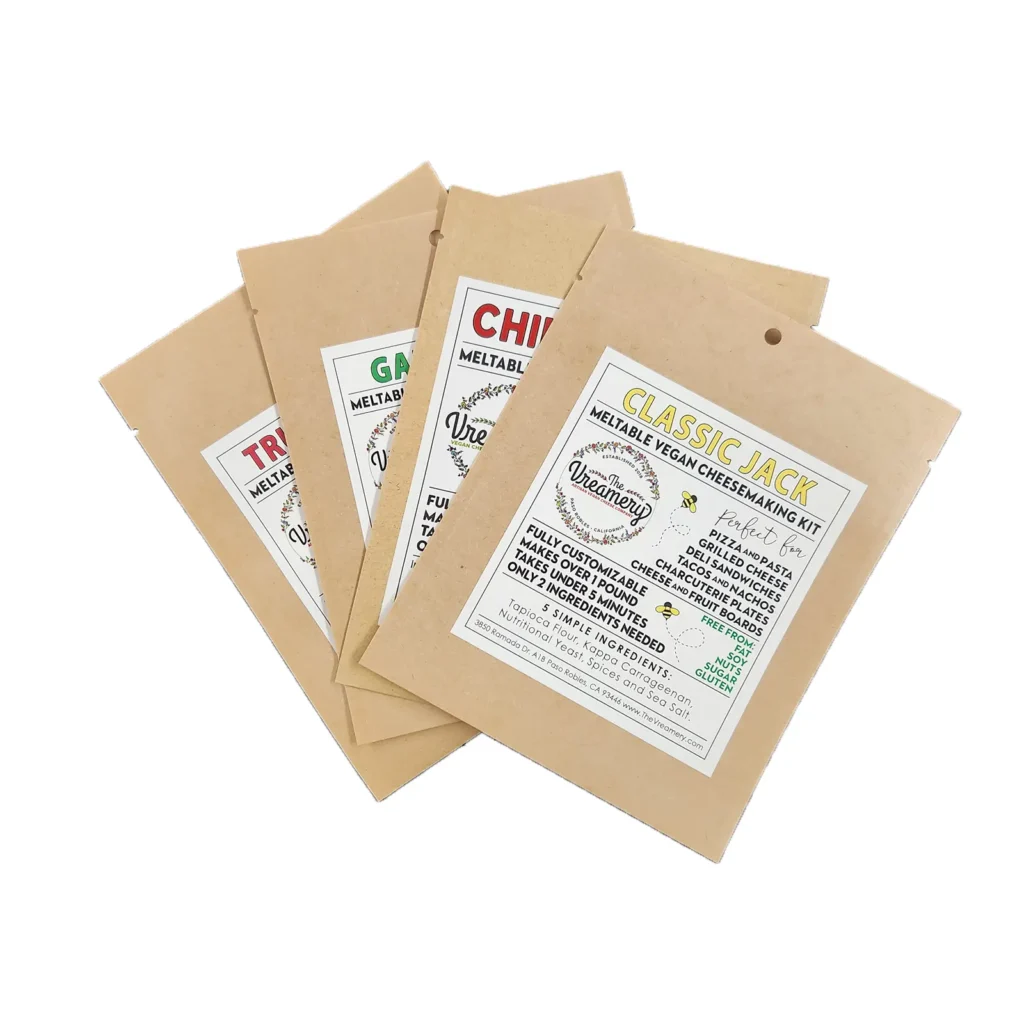

[Cover Image complements of The Uncreamery.]
If you have ever placed vegan cheese on a pizza expecting a bubbling, stretchy mozzarella pull and instead watched it simply soften, sweat oil, or hold its shape, you are not imagining things.
Vegan cheese behaves differently because it is fundamentally different.
Understanding why requires looking at the science behind what makes traditional dairy cheese melt in the first place.
So, why Doesn’t Vegan Cheese Melt? Well, the good news is that plant based cheese technology has improved dramatically over the last decade, and the next generation of vegan cheese is already beginning to change what is possible. While we are still a ways away from being able to find hi tech melting vegan cheese easily, here are our best selling melting cheeses.
What Makes Dairy Cheese Melt?
Traditional dairy cheese owes much of its meltability to a milk protein called casein.
Casein proteins form an intricate structural network inside cheese that:
- traps fat and moisture
- creates elasticity
- loosens under heat
- stretches instead of breaking apart
When dairy cheese is heated:
- fats liquify
- proteins relax
- moisture redistributes
- the cheese softens into a smooth, cohesive melt
That is what creates:
- stretchy pizza cheese
- gooey grilled cheese
- bubbling lasagna tops
- creamy melted texture
It is a highly specialized protein behavior that evolved naturally in animal milk.
Why Vegan Cheese Behaves Differently
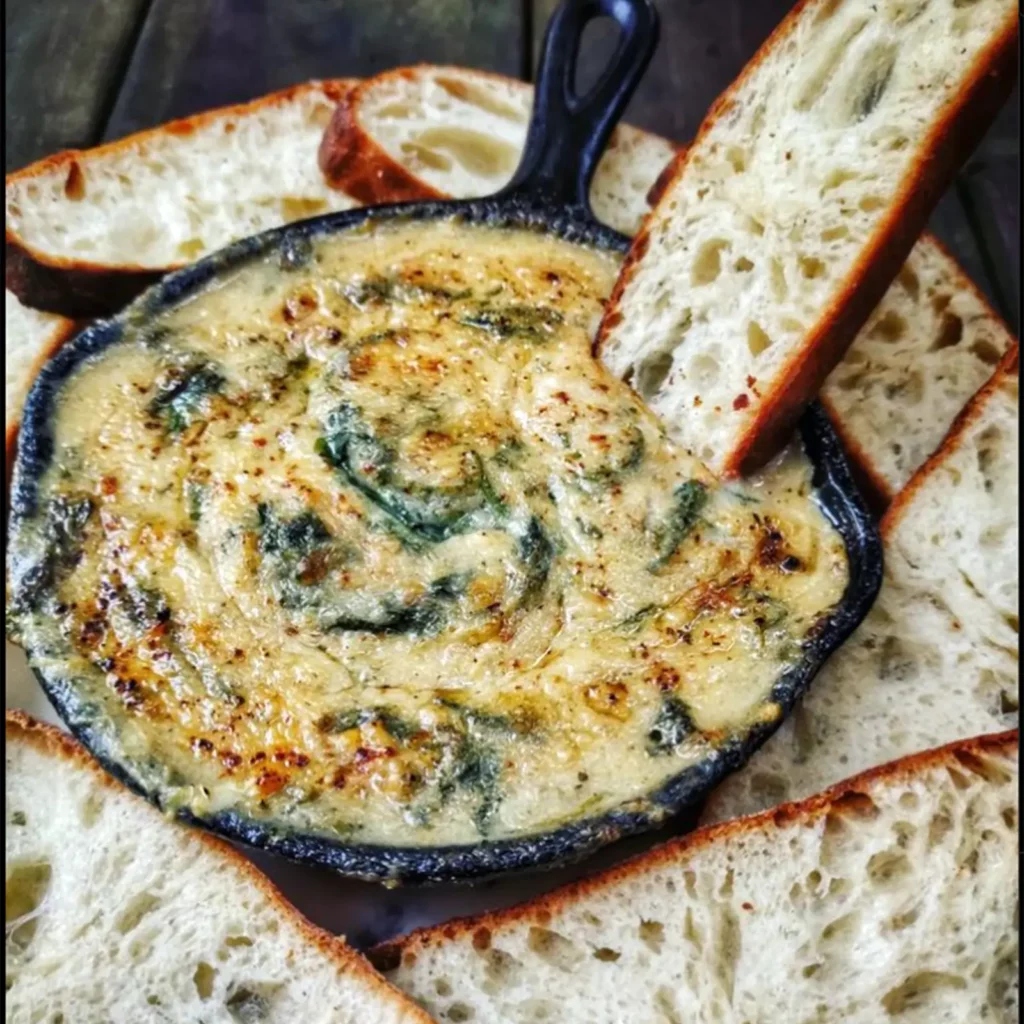
Image complements of The Uncreamery
Most vegan cheeses do not contain casein.
Instead, plant based cheesemakers build texture using combinations of:
- nuts
- coconut oil
- starches
- legumes
- gums
- cultures
- emulsifiers
These ingredients can create incredible flavor and texture, but they do not naturally form the same elastic protein network that dairy casein creates.
As a result, vegan cheeses often behave differently under heat.
Depending on the formulation, they may:
- soften without stretching
- brown unevenly
- release oil
- remain slice shaped
- melt only partially
- become creamy instead of stretchy
This is not necessarily a flaw. It is simply a different food structure. This is a partial answer to why doesn’t vegan cheese melt.
The Role of Starches in Vegan Cheese
Many melt focused vegan cheeses rely heavily on starches such as:
- tapioca starch
- potato starch
- modified starches
These ingredients are extremely important because they help create:
- viscosity
- creaminess
- body
- melt like behavior
When heated, starches absorb water and swell, producing a softer texture that can resemble melted cheese.
However, starches do not naturally create the long, stretchy protein chains associated with dairy mozzarella.
That is why many vegan cheeses:
- melt smoothly but do not stretch
- become creamy rather than elastic
- soften while still holding shape
Some formulations intentionally prioritize:
- clean slicing
- cold texture
- charcuterie performance
Others are designed specifically for:
- pizza
- burgers
- queso
- grilled cheese applications
There is no single “perfect” vegan cheese structure because different applications require different functionality.
Why Some Vegan Cheese Sweats Oil
One of the most common frustrations with vegan cheese is oil separation during melting.
This usually happens because many vegan cheeses contain:
- coconut oil
- vegetable fats
- emulsified plant oils
When heated aggressively, the fat can separate faster than the starches or proteins stabilize the structure.
The result may look like:
- shiny oil pools
- greasy surfaces
- uneven melting
This is especially common when vegan cheese is:
- overheated
- broiled too aggressively
- cooked without enough moisture
- used in very thick layers
Lower, slower heating often improves melt performance significantly.
Why Some Vegan Cheese Melts Better Than Others
Not all vegan cheese is designed for the same purpose.
Artisan Cultured Cheese
Many artisan nut based cheeses are created primarily for:
- flavor complexity
- fermentation
- cheeseboard presentation
- spreadability
These cheeses may soften beautifully but are not necessarily intended for pizza style stretching. This is one main reason why doesn’t vegan cheese melt
Melt Focused Cheese
Other vegan cheeses are engineered specifically for hot applications.
These formulations often use:
- higher starch ratios
- specialized emulsifiers
- optimized fat content
They are designed to:
- melt more consistently
- brown better
- create smoother texture
- perform in cooking applications
This is why a vegan Brie and a vegan pizza mozzarella may behave completely differently under heat.
The Future of Vegan Cheese Melting
One of the biggest developments in plant based food science is the emergence of precision fermented dairy proteins.
Using a process called precision fermentation, companies can produce animal free versions of proteins traditionally found in dairy milk, including casein.
This allows cheesemakers to work with proteins that behave much more similarly to traditional dairy cheese during heating and melting.
Potential benefits include:
- improved stretch
- better browning
- smoother melt
- more realistic mouthfeel
- less oil separation
Several companies are already beginning to introduce these technologies into the market, although the category is still early and evolving.
For many consumers, this may represent the next major leap forward in plant based cheese performance.
Final Thoughts
So why doesn’t vegan cheese melt like their dairy counterparts? Vegan cheese does not melt exactly like dairy cheese because it is built from entirely different ingredients and structures.
Dairy cheese relies on casein proteins that naturally create stretch and elasticity under heat. Most vegan cheeses currently rely on starches, oils, nuts, and plant proteins to recreate that experience as closely as possible.
And while plant based cheese may not always behave identically to dairy, modern vegan cheesemaking has advanced enormously in flavor, texture, fermentation, and culinary performance.
Today’s market already offers:
- excellent pizza cheeses
- creamy queso
- cultured artisan wheels
- meltable slices
- sophisticated aged cheeses
With precision fermentation technology continuing to develop, the gap between dairy and plant based melting performance may continue narrowing dramatically in the years ahead.
Here is our cheat code to quick made vegan cheese at home that melts!