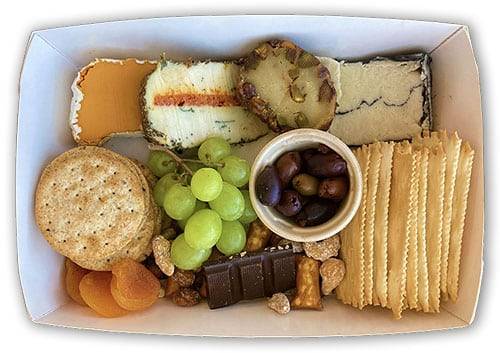

For decades, the phrase “plant-based cheese” conjured a specific image. It usually meant a shiny, plastic-wrapped block that tasted like chemicals and melted into a rubbery layer. Consequently, these grocery aisle alternatives were a massive disappointment for many consumers trying to step away from dairy.
However, the problem wasn’t the concept itself. Instead, the issue was the manufacturing process. Mass-market brands rushed to create cheap imitations using industrial chemistry. In doing so, they completely bypassed the ancient, time-tested traditions of true cheesemaking.
When you step into the world of authentic, small-batch artisan vegan cheese, you leave the laboratory behind. You enter a realm of pure culinary science. True premium artisan vegan cheese isn’t an engineered substitute. Rather, it is a live, cultured delicacy crafted with the exact same old-world mechanics used by traditional dairy mongers for centuries.
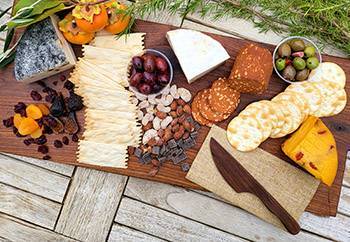
Therefore, to showcase these culinary marvels, you need more than just a plate. Welcome to the ultimate masterclass on how to design, balance, and build a luxury vegan grazing board that will stun your guests.
🧀 A Little History of Charcuterie
To display these modern plant-based innovations properly, we look to culinary history. The word charcuterie originates from the French phrase chair cuite, meaning “cooked meat.” Traditionally, charcuterie was the art of preserving meats like salami and prosciutto through curing, smoking, or aging. Over time, the tradition evolved to include cheeses, breads, pickled vegetables, and fruits, creating a more varied and artistic spread.
While charcuterie has deep roots in French culinary history, it has grown far beyond its origins. Today, that tradition has been completely reimagined for plant-based living. A vegan charcuterie board captures the same balance of salty, savory, and sweet, but uses premium vegan cheeses, smoky meat alternatives, fruits, nuts, and dips to create a stunning centerpiece for any gathering.
Creating a spectacular layout is all about variety, color, texture, and balance. Here is the definitive step-by-step guide to help you build a stunning and delicious board perfect for entertaining or indulging solo.
Step 1: Balancing Textures (Firm vs. Soft)
Every great luxury board should feature a beautiful mix of textures. When planning your spread, try pairing creamy, spreadable cashew options with firm, aged nut-based wheels. Including at least three distinct structural choices ensures your guests get a well-rounded sensory experience. Go for these differing profiles:
- Aged & Firm: Options like Reine Truffle Hound or Vtopian Caramelized Onion Camembert offer a satisfying bite.
- Creamy & Spreadable: Selections like Dare Smoked Pimento or Rebel Chevres melt beautifully onto a cracker.
- Blue or Brie Style: Dynamic choices like RIND Blue or Rebel Truffle Brie bring a velvety, traditional texture.
- Classic Firm Cheeses: Crowd-pleasers like Uncreamery Dill Havarti or Crimson King slice cleanly.
➡️ Masterclass Tip: Slice some of the firm cheeses into clean wedges ahead of time, but leave the soft, spreadable rounds completely whole with a dedicated cheese knife to maximize visual appeal.
Step 2: Selecting Flavor Profiles (Smoky, Sharp, Funky)
The true magic of a masterclass board lies in balancing contrasting taste profiles. Artisan vegan cheesemakers introduce live active cultures and probiotics to age their creations naturally, giving them that authentic, unmistakable cheese “funk.”
To complement that depth, integrate savory, smoky elements and plant-based proteins that bring immense umami to the platter:
- Vegan Deli Slices: Premium choices like Prime Roots vegan salami consistently top our bestsellers list. Try it and taste the hype.
- Seitan-Based Salami: Smoky, sweet, or savory—whatever your flavor profile, Renegade Foods vegan salami is a standout on any plant-based board.
- Textural Alternatives: Marinated tofu cubes, savory tempeh, smoky mushroom jerky, or crunchy coconut bacon add great variety.
Step 3: Pairing Accompaniments (Fruits, Nuts, Preserves)
One of the best things about building a plant-based grazing board is the complete freedom to play with color and texture. To add essential sweetness, acidity, and brightness, incorporate these precise accompaniment layers:
- Fresh Fruits: Bunches of grapes, crisp apple slices, fresh figs, strawberries, and blackberries.
- Dried Fruits: Chewy apricots, rich dates, tart cranberries, or sweet dried mango.
- Textural Fillers: Fill in empty gaps with roasted almonds, briny olives, cornichons, or unique Candied Citrus Pistachios.
- Garnishes & Sweets: Sophisticated touches like vegan caviar, dark chocolate chunks, vegan truffles, edible flowers, or fresh sprigs of rosemary.
Step 4: Offer Crackers, Bread, and Crunch
Every luxury board needs a sturdy vehicle for all those delicious toppings. Include a mix of seeded crackers, plain crostini, or a freshly sliced artisanal baguette. Herb-infused crackers (like rosemary) add wonderful flavor layers without overpowering the delicate notes of the artisan cheeses.
➡️ Pro Tip: Try Flouwer Crackers or Buckwheat Crackers to add striking visual contrast to the platter.
Step 5: Aesthetic Styling Tips (Assemble Like a Pro)
When putting your masterclass layout together, follow this structural order for the cleanest, most abundant visual finish:
- Anchors: Start by placing your large cheeses and dip bowls first to anchor the space. Use small accent bowls for items like hummus, fig jam, stone-ground mustard, olive tapenade, or vegan pesto.
- Flow: Add the vegan meats, followed by winding structural lines of crackers and sliced breads.
- Details: Fill in all the remaining small gaps with your fruits, pickles, and loose nuts.
- Composition: Use repetition of colors and place items in odd numbers to effortlessly guide the eye across the platter.
Ultimately, for a truly eye-catching presentation, mix your textures, shapes, and colors so it feels completely inviting, while leaving just a small amount of negative space for visual breathing room.
🕯️ Bonus Entertaining Tips
- Labels: Use mini labels, toothpicks, or tiny flags to identify the specific cheese styles for your guests.
- Tools: Add dedicated small cheese knives, tiny forks, and spoons for each spread to keep flavors clean.
- Temperature: Always serve your artisan cheeses at room temperature to allow the natural fats to soften, unlocking the best possible flavor profile.
When analyzing ingredient labels for dietary restrictions, choosing a clean-label artisan vegan cheese ensures you bypass industrial fillers entirely. The next time you curate a charcuterie board or elevate a home-cooked meal, look past the factory formulas. Treat your palate, your gut microbiome, and your guests to the incredible depth that only true human craft and biological science can deliver.